

Behind: Edward Scissorhands (1990)
Written By Taylor Walker
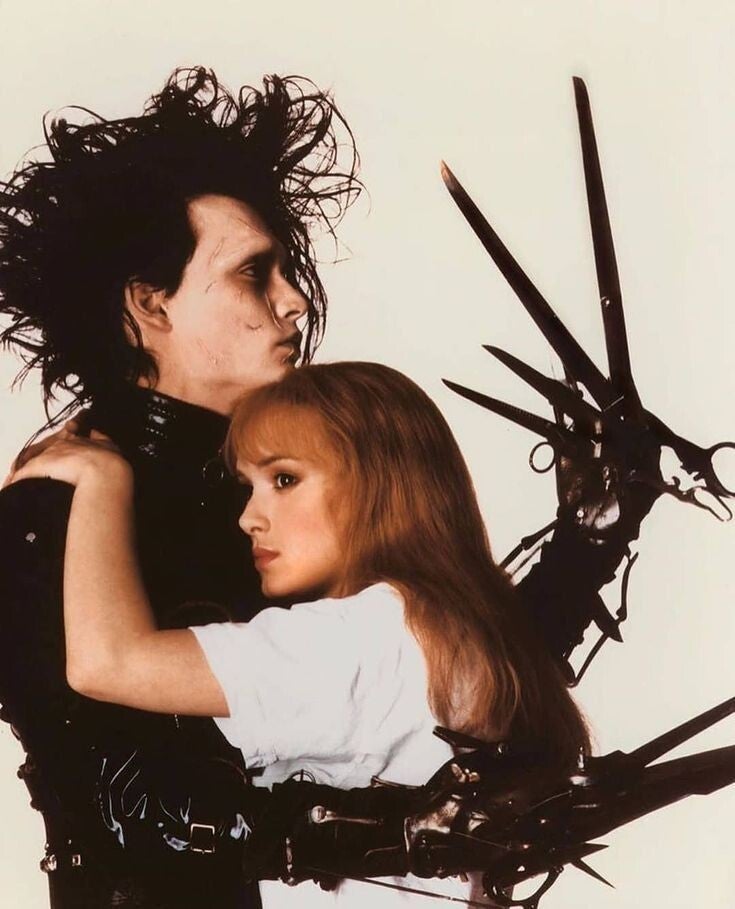
Tim Burton’s Edward Scissorhands (1990) presents a visually striking and emotionally complex story about an artificial man who is brought from isolation into a seemingly perfect suburban community. Although Edward initially appears frightening because of his unusual appearance and scissors for hands, the film gradually reveals that it is the people around him who are often responsible for his suffering. Burton uses cinematography, mise-en-scène, sound, narrative structure and symbolism to explore themes of isolation, conformity, prejudice and the conflict between individuality and society. Through the contrast between Edward and the suburban world he enters, Burton demonstrates how people can celebrate differences when it is entertaining to them but reject it when it becomes uncomfortable.

Cinematography reinforces Edward’s isolation throughout the film. Burton frequently places Edward within wide shots that emphasise the space between him and the people around him. When Edward first enters the suburban community, the bright surroundings make his dark appearance particularly noticeable. The visual framing repeatedly draws attention to the fact that he does not belong. Close-ups are also important because they allow the audience to see Edward’s emotions despite his unusual appearance. His facial expressions often communicate innocence, confusion and fear, encouraging the audience to look beyond his physical appearance. This is particularly significant because the other characters frequently judge Edward based on what he looks like. The camera therefore encourages the audience to understand Edward internally rather than simply seeing him as an outsider.
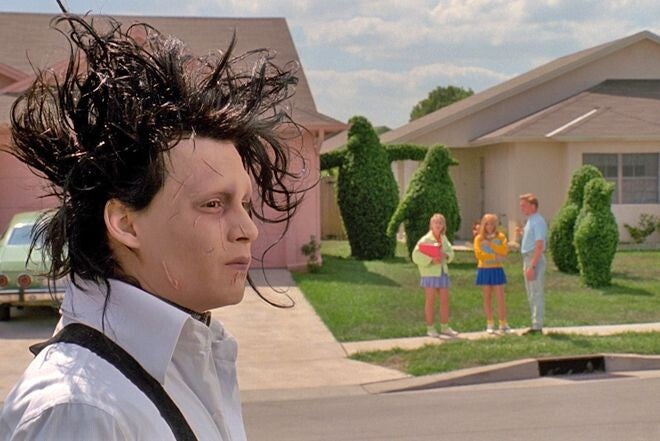
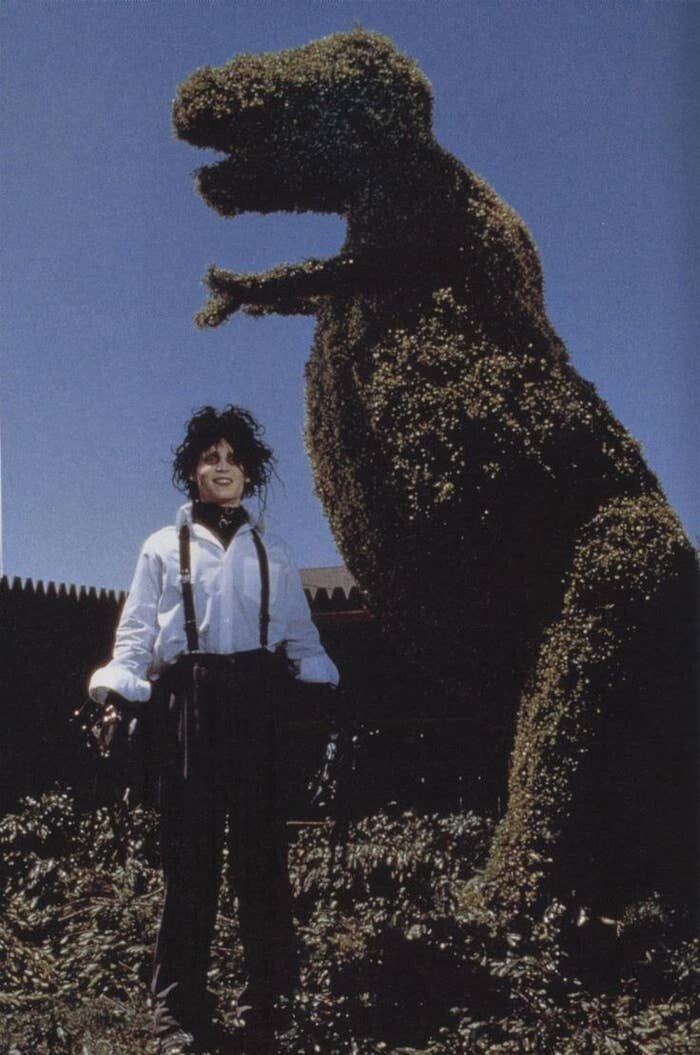
One of the most significant elements of the film is its mise-en-scène, particularly the contrast between Edward’s Gothic mansion and the brightly coloured suburban neighbourhood. Edward lives alone in a dark, enormous Gothic castle situated above the town. The mansion is filled with shadows, unusual machinery and abandoned spaces, immediately separating Edward from the ordinary people below. In contrast, the suburban neighbourhood is brightly coloured, carefully maintained and visually repetitive. The houses are almost identical, with bright pastel colours and perfectly trimmed gardens. This visual contrast establishes the difference between Edward and the community before he even interacts with them. The suburb appears welcoming and perfect on the surface, but its uniformity also suggests that there is little room for anyone who does not conform. Burton therefore uses setting as more than decoration; the locations become symbolic representations of isolation and conformity.
Sound and music are particularly important in communicating Edward’s emotional experience. Danny Elfman’s score gives the film a dreamlike and almost fairy-tale quality. The music often becomes gentle and emotional during moments involving Edward, creating a contrast with his threatening physical appearance. One of the most memorable examples occurs when Edward creates an ice sculpture while Kim dances in the falling ice. The music transforms the scene into something magical and romantic. Edward’s hands, which are usually associated with danger, become instruments of artistic expression. The combination of music, movement and visual imagery allows the audience to understand Edward’s feelings without requiring extensive dialogue.
The film’s narrative structure also encourages the audience to sympathise with Edward. The story is framed through an older Kim telling the story of Edward to a young child. This structure immediately suggests that Edward’s story has remained important to Kim long after the events have happened. The narrative gradually reveals Edward’s history, including his creation by the Inventor and his life alone in the mansion. By delaying some of this information, Burton allows the audience to initially encounter Edward as a mysterious figure before learning about his vulnerability. This changes how the audience interprets him. What might initially appear frightening becomes tragic once his circumstances are understood. The narrative therefore challenges the audience to reconsider their first impressions, just as the suburban characters should have reconsidered theirs.
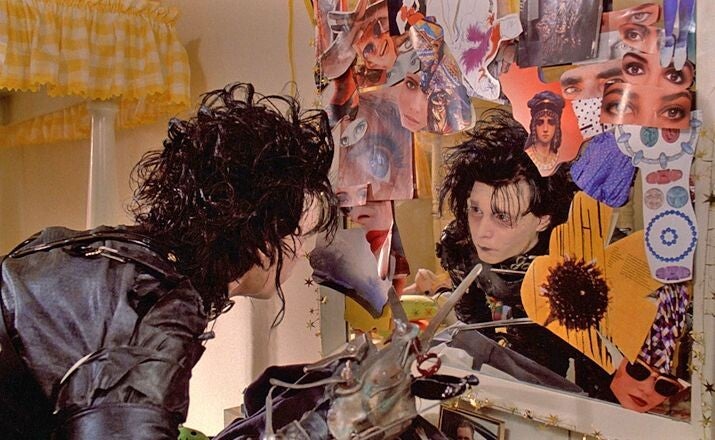
Edward’s physical appearance also contributes to this visual symbolism. His pale skin, dark clothing, scars and black hair make him visually different from the colourful people surrounding him. His scissor hands are especially important because they represent both his uniqueness and his inability to interact normally with society. Edward cannot shake hands, hug people safely or perform many ordinary tasks. However, these same hands also allow him to create beautiful sculptures and hairstyles. Burton therefore creates a contrast between something that society considers frightening and something that can produce beauty. The scissors become a symbol of Edward’s difference: they separate him from others, but they are also part of what makes him talented and special.

The film’s central conflict develops between Edward’s individuality and the expectations of the suburban community. At first, the residents are fascinated by Edward because his unusual abilities provide entertainment and excitement. Peg introduces him to the community, and people quickly become interested in his ability to cut hair and create sculptures. However, their acceptance is conditional. Edward becomes valuable to them while his difference remains useful or amusing. When circumstances become more serious, the same people who welcomed him begin to turn against him. Burton uses this changing relationship to expose the superficiality of the community’s acceptance. The conflict is therefore not simply between Edward and one individual; it is between Edward and a society that struggles to accept someone who does not fit its expectations.
This conflict connects strongly to the theme of prejudice. Edward is repeatedly judged because of his appearance and his inability to behave like everyone else. However, Burton reverses the traditional idea of the monster. Edward looks frightening but is largely innocent, while the ordinary-looking members of the community can behave cruelly and selfishly. This creates an important irony. The person who appears most threatening is often the least dangerous, while those who appear normal can cause the greatest emotional damage. Burton uses this reversal to question the audience’s own assumptions about appearance and morality.
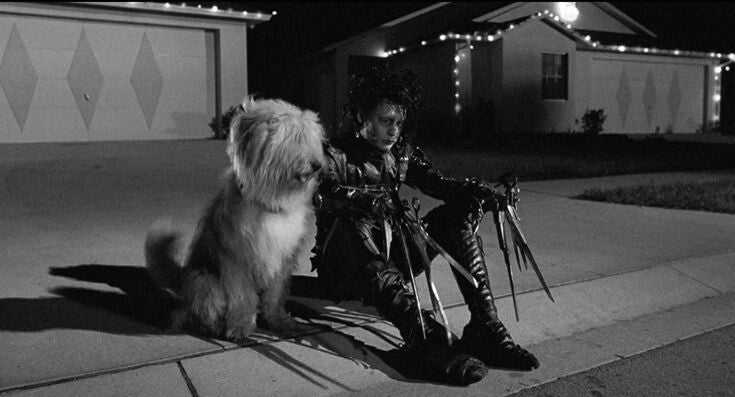
The editing and visual symbolism of the film also contribute to its themes. Burton repeatedly contrasts Edward’s dark figure with bright suburban surroundings, making his difference visually unavoidable. The recurring image of Edward’s scissors also develops in meaning throughout the film. Initially, they suggest danger, but they later become associated with creativity, beauty and love. However, they can never completely stop being dangerous. Edward’s inability to control the consequences of his hands ultimately contributes to his separation from Kim and the community. The scissors therefore symbolise the double-edged nature of individuality: being different can give someone extraordinary abilities, but it can also make it difficult for them to belong.
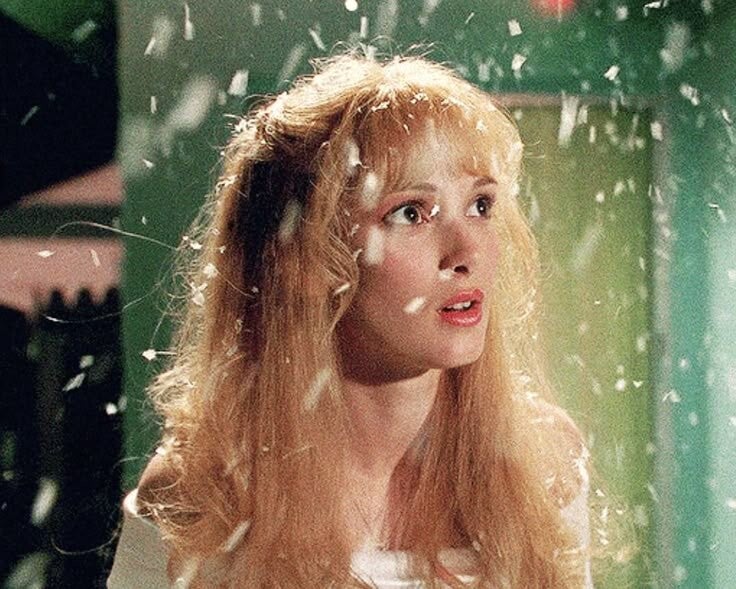
Ultimately, Edward Scissorhands uses the conventions of fantasy, Gothic imagery and romance to explore much deeper ideas about society and human behaviour. The cinematic choices made by Burton constructs Edward as a character whose physical appearance conflicts with his gentle personality. The suburban neighbourhood initially appears perfect and welcoming, yet its conformity and prejudice are gradually exposed. Edward’s scissors, meanwhile, transform from symbols of fear into symbols of creativity and individuality. Through these deliberate film techniques, Burton encourages the audience to question whether the real problem lies with the person who is different or with the society that refuses to accept difference. Edward’s tragedy ultimately demonstrates that acceptance based only on curiosity or usefulness cannot replace genuine understanding and compassion.