

Behind: The Great Divide by Noah Kahan
Written by Anna Lawrence

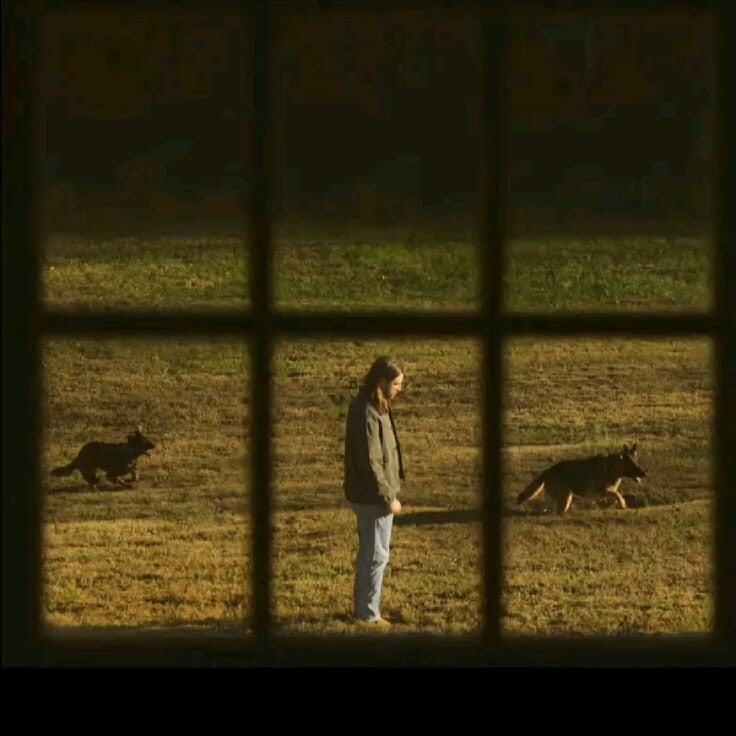
Episode One - End Of August.
The first track on Noah Kahan’s ‘The Great Divide’ is ‘End of August’. This song explores the themes of mortality, modern day society, and the passing of time. Alongside the emotions of frustration, and most importantly freedom.
The opening line of the song “Richie and Austen are often along for the ride”, is a reference to his older brother, Richard Kahan, whom he adores and looks up to (as seen in ‘Noah Kahan: Out of Body’).
Another notable line is “If these trees started talkin’, I bet you they'd only talk shit/ ‘Cause we never do anythin’ real, we just talk about it”. Kahan is reflecting on the missed opportunities in his childhood, where he would always plan to complete tasks that he never got around to doing. This line also displays Kahan’s connection with nature, where he believes things in his environment, such as trees, have memories.
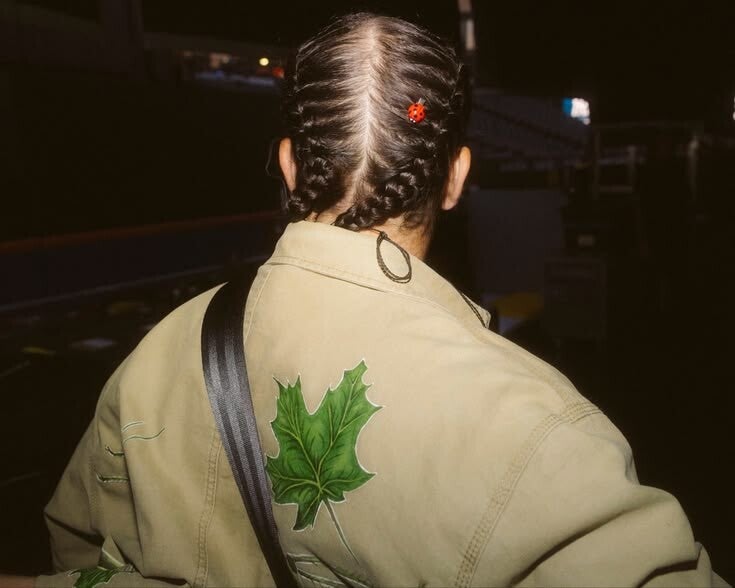
The connection with nature carries on but also adds a clear setting, “Endin’ of August the bugs are all startin’ to die”. Kahan captures this time of year beautifully in this song, harmonizing the dread of winter with the last rush of life the end of summer brings. By describing “the bugs are all startin’ to die”, Kahan relates the incoming winter to incoming death. His ability to simultaneously show the beauty of nature and the fear of death is what makes him such a great artist.
The next few lines reflect Kahan’s hometown of Strafford, Vermont’s sameness and his desire but inability to break free from it. He depicts his neighbours “votin’ for someone who wins every time”, which implies Strafford’s unwillingness for change, Kahan then describes his personal battles and his fight to break free. The line “And I thought gettin' older meant knowin' it's too late to try”, tells the listener that Kahan’s battles have been going on for many years and he has also been trying to free himself for many years. Kahan states that he “Tried getting sober” and he consoles himself that he did “better this time”. This image of trying to break habits and trying to escape an addiction is very stark and honest.
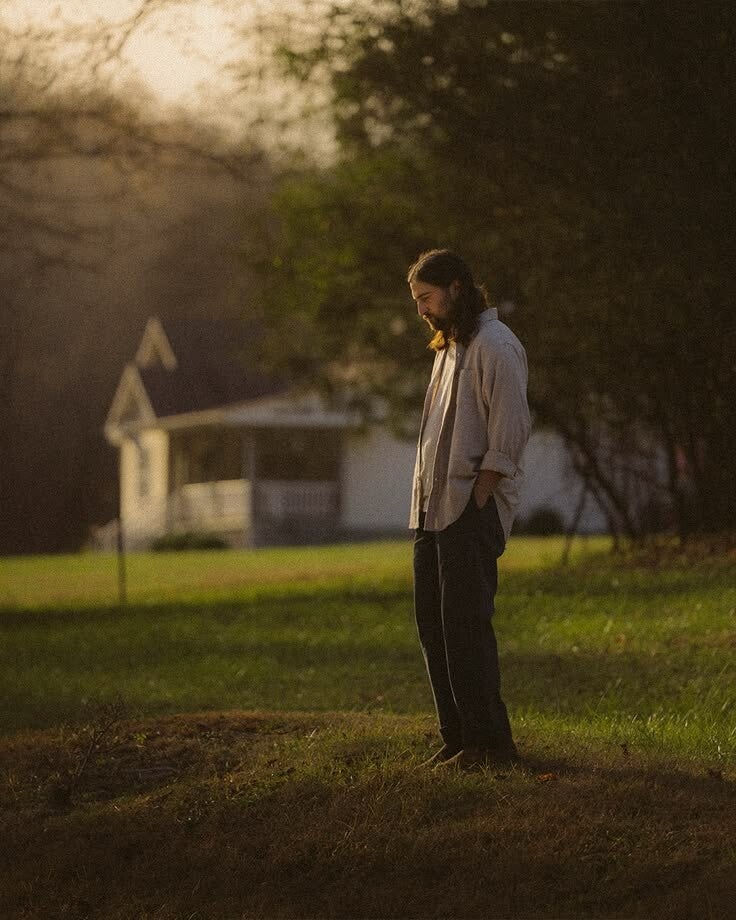
The chorus follows a buildup of both instruments and Kahan’s voice. It reaches an almost shouting level with the words “Woah, everything you see out here will die, /Oh, it's a matter of time”. He is describing the feeling of dread that comes with summer’s end so eloquently that the listener empathises with his words in a way that is very rarely captured. Throughout the song Kahan repeats “Till it’s our town”, this relates back to the change from Summer to Winter, as Strafford is usually filled with tourists during the warmer months, but left to the locals in the cold of winter.
In the next few lines, Kahan begs to be of use to someone in any way, “And anythin’ you need, i will provide, /A ride home or an alibi”, he’s offering himself up to fit any mold he is needed to, if only to stay around that person. “I know the traffic light you can speed right by cause the cameras down”, reflects his painful familiarity with his hometown but also enforcing his desire to be of use.
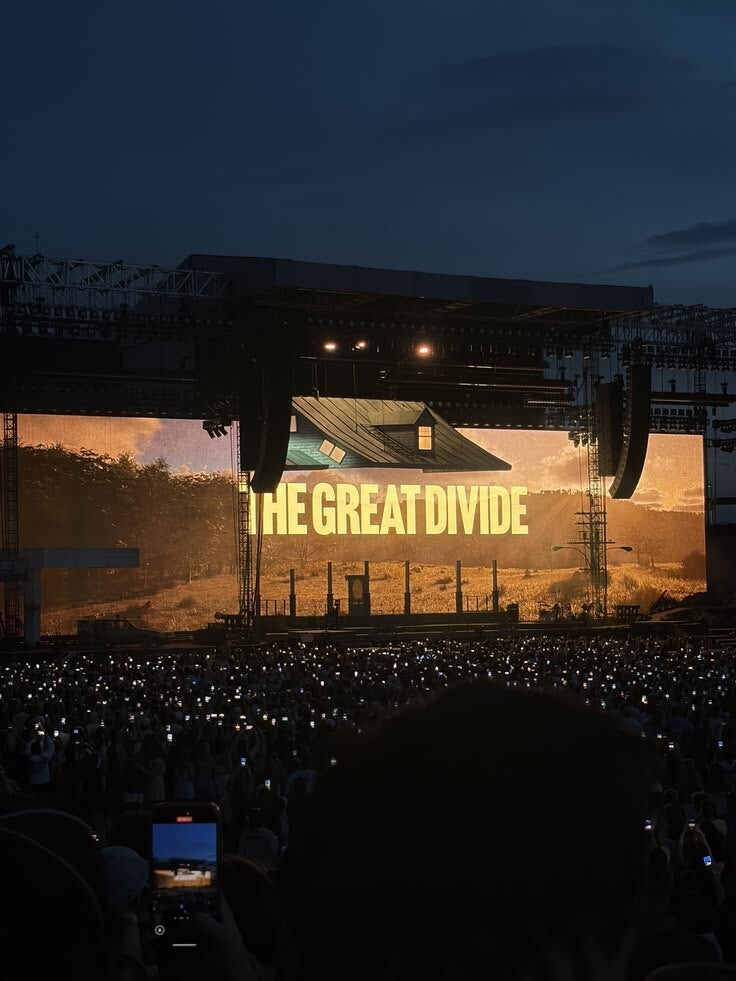
Kahan uses “September hitting” as a border to the colder months, the start of the depressing transition between life filled summer, and the holidays of full winter. He goes on to describe the last burst of life before this border, “Late August angst”, and “The feelin’ of being alive, /For the first time in a long time”. This last shine of light before Winter seems to be almost in spite of it, this can be seen both in how Kahan describes the “angst” and also in real life where nature seems to perk up in a beautiful golden glow, right before the shadow of Winter hits.
The bridge exposes Kahan’s frustration towards modern day society. “They mined copper for years, oh, there was nothin’ left to dig”, directly describes exploitation of natural resources, although Kahan has described copper mining as a good form of work in the past (‘Haircut’, ‘Pain is Cold Water’). This line also reenforces the theme of the passing of time and impermanence, everything will eventually end or run out.
“It’s a place where most kids just grow up and have kids, /Grow up and have kids, build homes for the rich”, nods to the human exploitation to labour for those above them, and also the fact that Vermont had little opportunities for dreams bigger than a humble life.
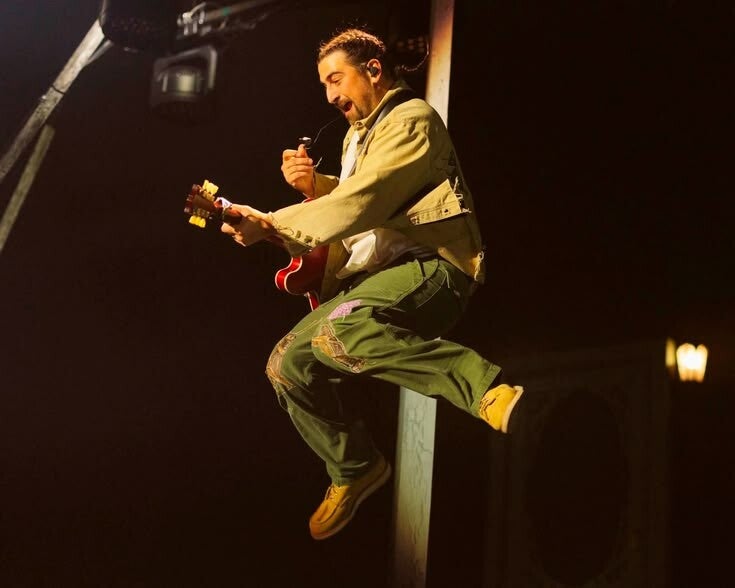
The second chorus repeats the same lyrics as the first, but evokes a more content feeling. Kahan sounds like he has accepted the turning of seasons and the fact that time will pass no matter what and seems to embrace the winter months where his town will be his own again. The switch from “Till it's our town”, to “And it’s ours now”, finalizes the passing season and symbolizes crossing the bridge into Winter.
The song ends with the zip code to Strafford, Vermont (“05072”) which further hints to this deeper meaning of the passing of time within a community and the repetition that comes with it.
‘End of August’ is a beautiful, cathartic representation of the fear and eventual acceptance of the passing of time and the concept of mortality. Many of the themes and references in this song are repeated throughout the album and further in Kahan’s greater body of work.