

Behind: Practical Magic (1998)
Written by Taylor Walker


Some films are made to be dissected, analysed and picked apart. Others are made to be watched late at night with a blanket, something sweet to eat and absolutely no desire to take the world too seriously. Practical Magic belongs firmly in the second category. It is a strange, charming mixture of romance, fantasy, comedy and family drama, and while it occasionally struggles to balance all of its ideas, its warmth, atmosphere and memorable characters make it difficult not to fall under its spell. With its gothic aesthetic, strong central performances and surprisingly heartfelt exploration of sisterhood, Practical Magic is a film that knows exactly what kind of experience it wants to create.
At the centre of the film are sisters Sally and Gillian Owens, two women born into a long line of witches. Their family has been affected by a curse that prevents the women of the Owens family from experiencing lasting love without tragedy. Raised by their eccentric aunts, Sally and Gillian grow up surrounded by magic, but the sisters develop very different attitudes towards it. Sally longs for an ordinary life, while Gillian embraces the freedom and excitement that comes with being different. When their adult lives become entangled with the consequences of their family’s curse, the sisters are forced to confront the parts of their past that they have tried to escape.
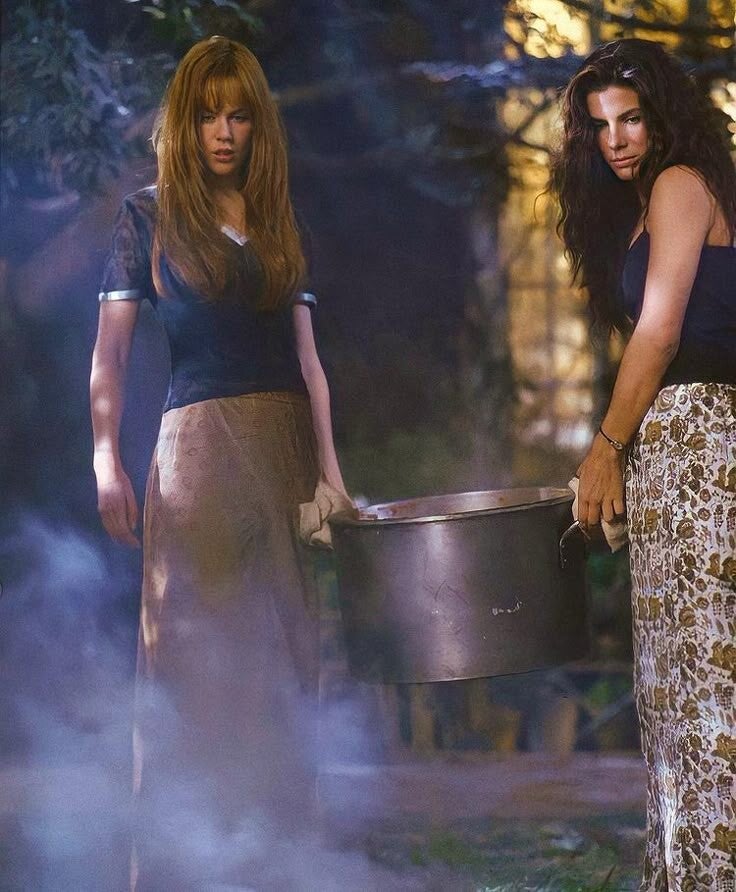
This premise sounds as though it should produce a serious supernatural drama, but Practical Magic is much more interested in creating a particular feeling. The film does not always follow the rules of its own world particularly carefully, and that is one of its greatest strengths. Magic is treated almost like another household chore: spells are performed in the kitchen, ingredients are casually discussed and the supernatural sits comfortably alongside everyday life. This gives the film an unusual sense of comfort. The Owens house, with its plants, candles, old furniture and enormous windows, feels less like a haunted house and more like somewhere you would genuinely want to live.
Visually, the film delivers one of its strongest achievements. The dark colours, candlelit interiors and New England setting create a beautiful autumnal atmosphere. There is a gothic quality to the film without it becoming relentlessly dark. Even when the story becomes frightening, there is usually an element of warmth or humour nearby. The contrast between the mysterious supernatural world and the cosy domestic setting makes the film visually distinctive and helps establish its identity almost immediately.
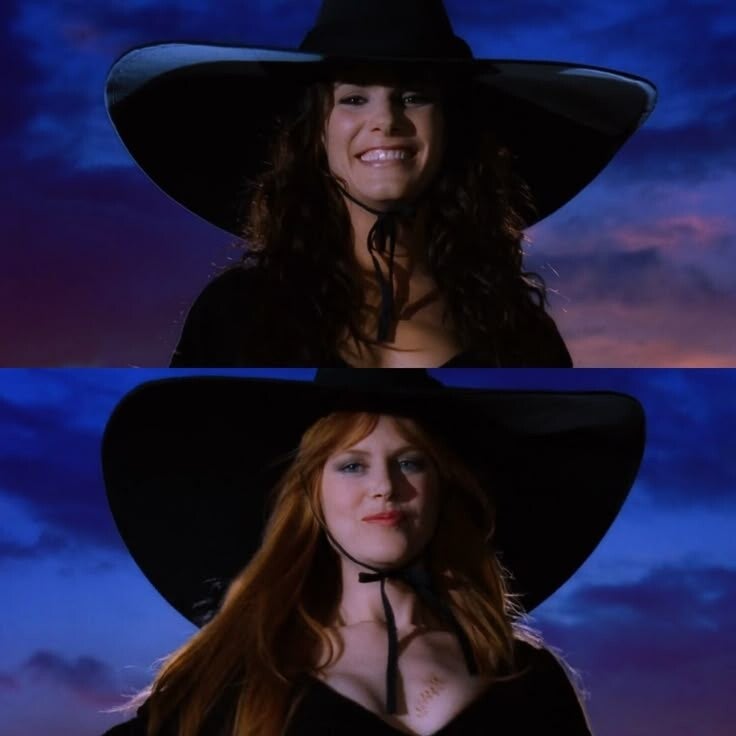
The performances are another major reason the film works. The two central actresses bring completely different energies to Sally and Gillian, which gives a heartfelt credibility to their bond. Sally is cautious, responsible and desperate to protect herself from the possibility of heartbreak, while Gillian is impulsive and adventurous. Rather than making one sister the sensible one and the other the irresponsible one, the film allows both characters to have genuine flaws. Their disagreements feel like those of people who have known each other their entire lives rather than simply characters placed into conflict because the plot requires it.
Most importantly, the relationship between the sisters is the emotional heart of Practical Magic. Although romance is a significant part of the story, the film’s strongest love story is arguably the one between Sally and Gillian. Their bond survives jealousy, arguments, distance and fear. The film understands that loving someone does not mean always agreeing with them or protecting them from every consequence. Sometimes it means being there when things get difficult. This gives the film more emotional weight than its whimsical premise might initially suggest.
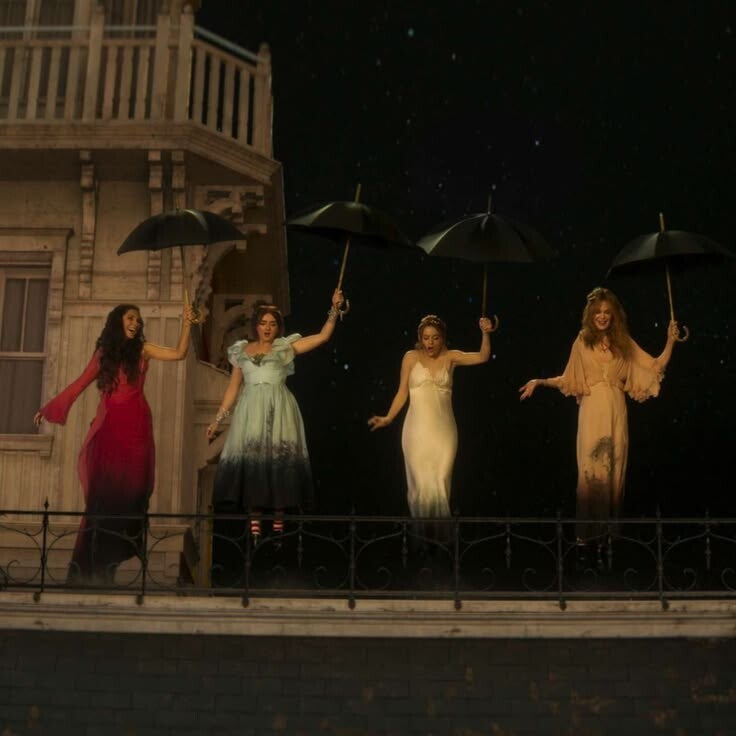
The supporting characters also add to the film’s charm. Sally and Gillian’s aunts bring much of the comedy, but they also represent the traditions and history of the Owens family. Their eccentricity never feels completely separate from the emotional story. They understand the sisters better than almost anyone else and provide a sense of continuity between generations. The film is particularly effective when it presents magic as something inherited, not only through spells but through stories, habits and family relationships.
However, Practical Magic is far from perfect. Its biggest weakness is its uneven pacing. The film sometimes feels as though it is trying to be several different movies at once. It moves between romantic comedy, supernatural fantasy, family drama and darker thriller elements, and these changes do not always fit together smoothly. The lighter scenes can be wonderfully funny, but they occasionally clash with the more serious parts of the story. The final section, in particular, becomes much more dramatic and supernatural than the relaxed, character-driven beginning.
The writing also occasionally sacrifices logic for atmosphere. Certain aspects of the magical world are introduced without much explanation, while some developments happen simply because the story needs them to. If you approach the film expecting a carefully constructed fantasy universe with clearly defined rules, you may find yourself questioning quite a lot. Yet this is also where judging the film according to its own ambitions becomes important.
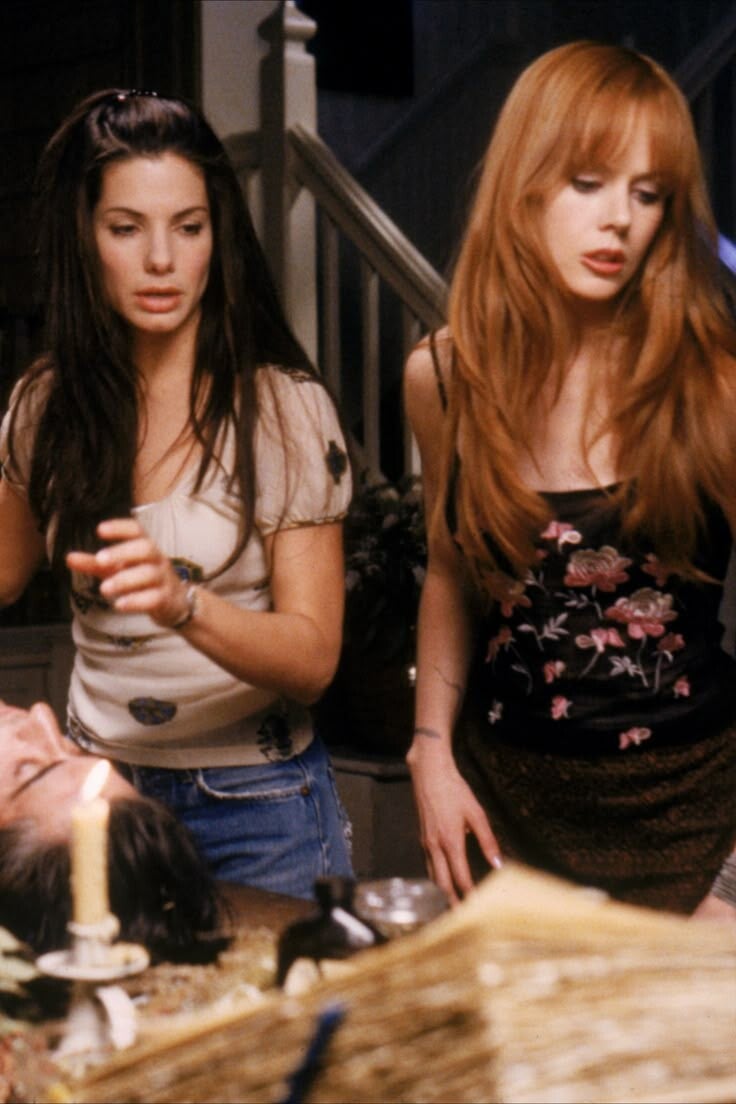
Practical Magic is not attempting to be a perfectly logical examination of witchcraft. Its priority is emotion, atmosphere and entertainment. Once that is understood, its imperfections become easier to accept.
The film is at its best when it focuses on ordinary moments rather than grand supernatural events. Cooking together, dancing around the house, arguing with family and trying to understand love are what make the characters feel real. The magical elements enhance these moments rather than completely replacing them. In that sense, the title itself is fitting: the film treats magic as something that can exist alongside everyday life rather than something completely separate from it.
Ultimately, Practical Magic succeeds because it has something that cannot be created through special effects or an elaborate fantasy premise: personality. It is imperfect, occasionally messy and sometimes tonally confused, but it has a warmth that makes those flaws surprisingly easy to forgive. Beneath the spells and supernatural drama is a story about family, grief, fear, independence and, above all, the different forms that love can take.
If you are looking for a film to watch on a cosy autumn evening, especially if you want a mixture of romance, magic, sisterhood, gothic atmosphere and plenty of warmth, Practical Magic is an easy film to reach for. It may not be the choice for someone looking for a tightly constructed fantasy with clearly explained rules, but if what you want is a film that feels comforting, whimsical and a little bit magical, this is exactly the kind of world you can briefly get lost in.