

Behind: West Side Story (2021)
Written by Grace McGrenaghan
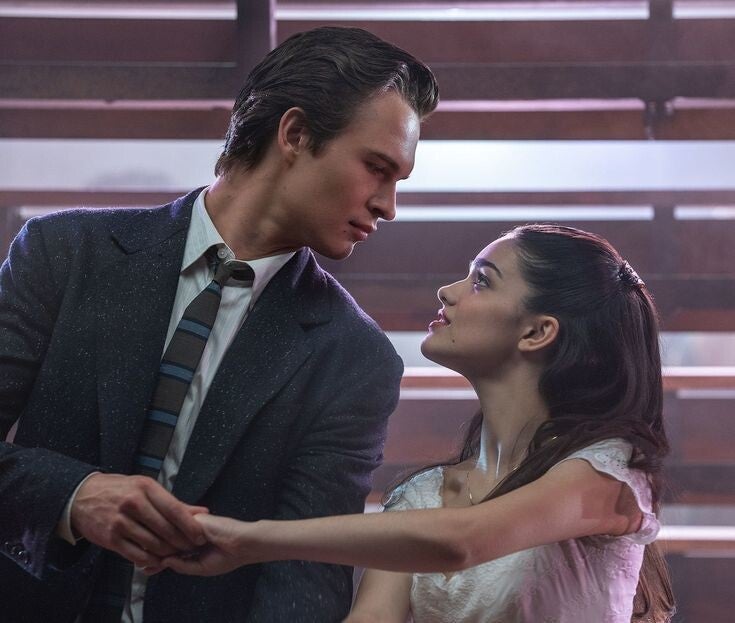
Steven Spielberg’s 2021 film, West Side Story, presents a visually spectacular and emotionally devastating reimagining of the classic musical, bringing a timeless story of forbidden love out of the past and into a vibrant, modern cinematic light.
Although the movie initially feels like a celebratory explosion of song and dance, it gradually reveals a deeper, darker truth. The real tragedy lies in the environment of generational hatred and gentrification that surrounds the young lovers, Tony and Maria. Spielberg uses dynamic cinematography, immersive production design, a legendary musical score, and a poignant narrative structure to explore themes of identity, prejudice, and the tragic consequences of division. Through the violent clash between the Jets and the Sharks, Spielberg demonstrates how systemic failure and cultural hostility crush youthful hope before it ever stands a chance.
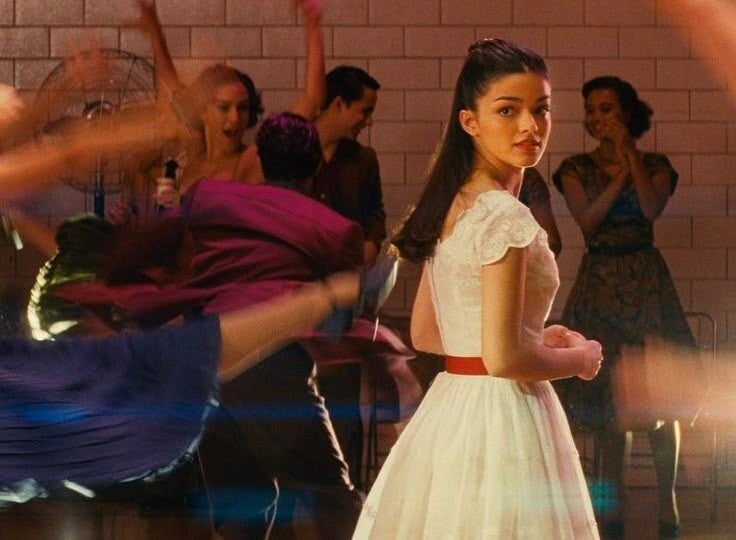
Cinematography reinforces the feeling of entrapment and division throughout the film. Spielberg and cinematographer Janusz Kamiński frequently place the characters within expansive, sweeping wide shots that emphasise the crumbling, changing landscape of 1950s New York City. The camera constantly moves, mirroring the high-energy, restless spirit of the youth. For example, when Tony and Maria first meet at the dance, the background softly blurs away, using bright, lens-flare lighting to draw immediate attention to their instant connection. Close-ups are also incredibly vital because they allow the audience to see the raw vulnerability beneath the characters' tough exteriors. Their expressive faces communicate hope, fear, and desire, encouraging the audience to look past their gang affiliations. The camera explicitly forces the audience to see them as individuals trapped by their circumstances, rather than just faceless rivals.
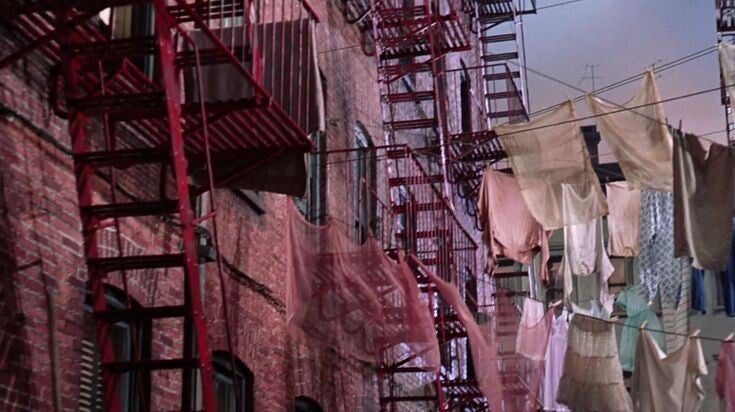
One of the most significant elements of the film is its mise-en-scène, particularly the vivid contrast between the decaying, rubble-strewn streets of the West Side and the bursts of colour brought by the communities living there. The film begins in a literal war zone of demolition, with the neighbourhoods being cleared away to make room for the Lincoln Centre. In contrast to this dusty, grey destruction, the clothing of the characters stands out dramatically. The Jets wear cool blues and greys, blending into the concrete, while the Sharks wear warm, passionate reds, yellows, and browns. This intense visual contrast establishes the cultural and territorial divide before the two groups even speak. The setting becomes much more than just a background. The ruins of the neighbourhood become a symbolic representation of a disappearing world where both groups are fighting over scraps, highlighting the tragic pointlessness of their rivalry.
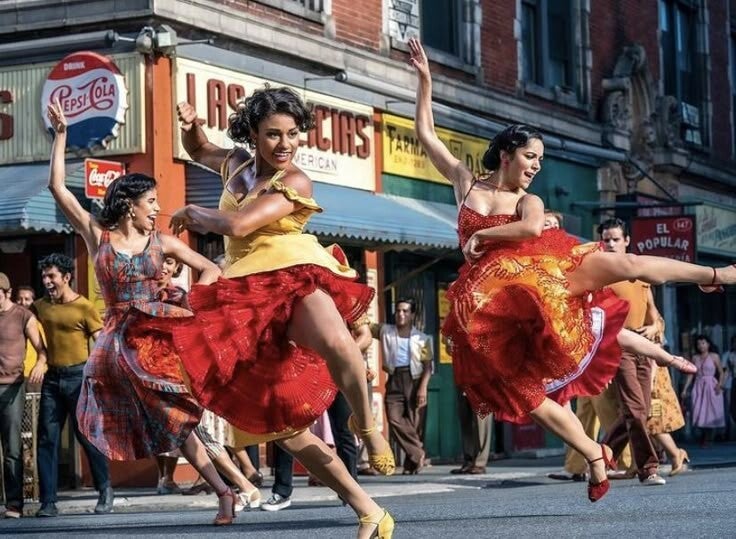
Sound and music are particularly important in communicating the emotional reality of the characters. Leonard Bernstein’s iconic score, revitalised by David Newman and Gustavo Dudamel, gives the film a theatrical yet newly cinematic energy. The music becomes gentle and intimate during quiet moments between Tony and Maria, creating a fragile sanctuary for the pain away from the hostile streets. One of the most memorable examples occurs during the performance of "America”, where the song transforms the hot city streets into a stage of vibrant artistic expression and sharp social commentary. The combination of soaring orchestration, fast-paced lyrics, and explosive choreography allows the audience to understand the characters dreams, frustrations, and cultural pride without needing long dialogue scenes.
The film’s narrative structure also encourages the audience to deeply sympathise with the characters while sensing an impending doom. The story is framed around a ticking clock, moving rapidly toward the inevitable rumble between the two gangs. By pacing the events with an escalating tension, Spielberg allows the audience to initially enjoy the soaring romance and high-stakes energy before plunging into heartbreak. This structure challenges the audience to reconsider their first impressions of the gang members, showing how easily regular teenagers can be corrupted by an environment of cyclical violence. What begins as a classic romance quickly turns into a devastating critique of hate, ensuring that the final tragic moments land with maximum emotional weight.
The central conflict develops between the characters' individual desires and the harsh expectations of their respective communities. At first, characters like Anita and Bernardo are focused on building a future and protecting their own, while Tony tries to distance himself from his violent past. However, acceptance within their community comes with strict rules. When the stakes rise, the peer pressure to conform and fight becomes overwhelming. The conflict is therefore not simply between two different ethnic groups; it is between the vulnerability of youth and a rigid, unforgiving social system that demands absolute conformity.
This conflict connects strongly to the theme of prejudice and the American Dream. The characters are repeatedly judged by their appearance, background, and social status. Spielberg reverses the traditional, old-fashioned musical tropes by highlighting the grit, poverty, and systemic neglect affecting both sides. The Jets are portrayed not just as troublemakers, but as neglected, angry outcasts with nowhere to go, while the Sharks are hardworking immigrants facing constant systemic racism. This creates a powerful sense of irony. Both groups are fighting each other for control of territory that is actively being taken away from both of them by wealthy developers.
Ultimately, West Side Story uses the conventions of the classic musical, romance, and gritty urban drama to explore much deeper ideas about human behaviour and societal division. The cinematic choices made by Spielberg construct a world where beautiful emotion constantly clashes with a harsh, violent reality. The neighbourhood appears lively and energetic on the surface, but its underlying hostility and prejudice are gradually exposed. The musical numbers transform from expressions of joy into expressions of grief and desperation. Through these deliberate filming techniques, Spielberg encourages the audience to question how modern societies still allow division to ruin young lives. The film's tragedy ultimately demonstrates that passion and energy cannot replace genuine empathy, support, and systemic change.