

Behind: Little Women (2019)
Written by Eman Rizwan
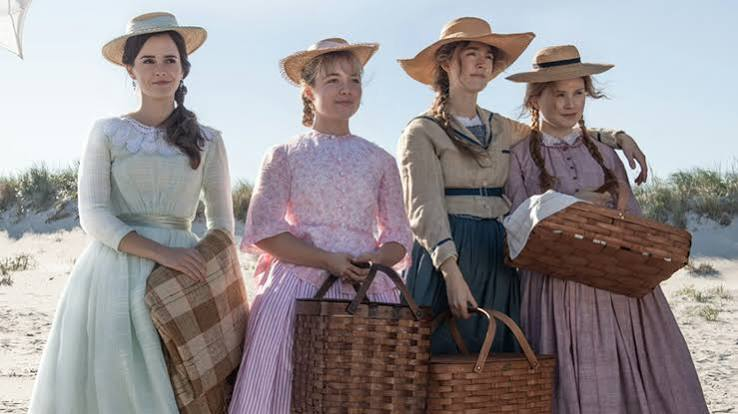
In the film adaptation of Louisa May Alcotts’s 19th-century novel of the same name, Greta Gerwig’s Little Women (2019) is a remarkable tale of the 4 March sisters, whom we watch grow and face adulthood as they learn to leave childhood behind. Gerwig uses cinematography, narrative structure and especially colour theory to explore themes of love, loss and nostalgia for simpler times making it a painfully relatable period piece.
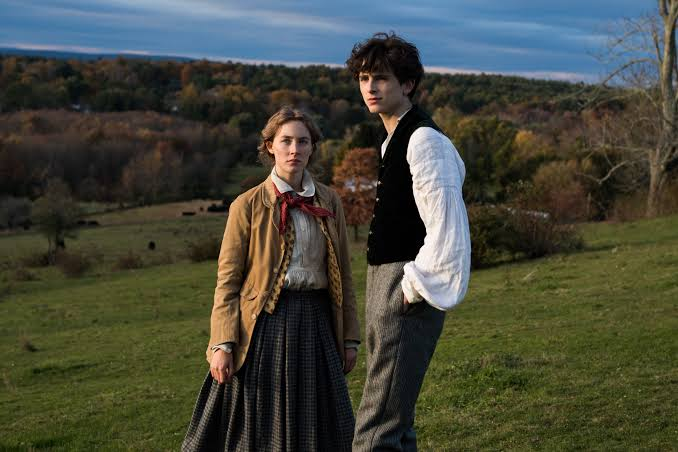
One of the most noticeable stylistic choices in this film is Gerwig’s use of a non-linear narrative and colour to differentiate the past from the present. Throughout the film, Gerwig uses warmer tones for scenes set in the past to reflect cherished memories of the sister’s childhood and to put emphasis on their naive ambitions-particularly Jo’s. This comforting ambience is directly contrasted by the cooler tones of the present scenes to represent the mundane realities of life and also may be to show the separation of the March family. Jo March is presented as the narrator of the past as she is the obvious stand-in for Louisa May Alcott therefore, the cooler tones of the present may illustrate the scenes that are outside of her narrative which Gerwig notices as she asks:“Is that what happened or how you wrote it down?” Suggesting Jo idealises her childhood rather than being entirely objective about her past.
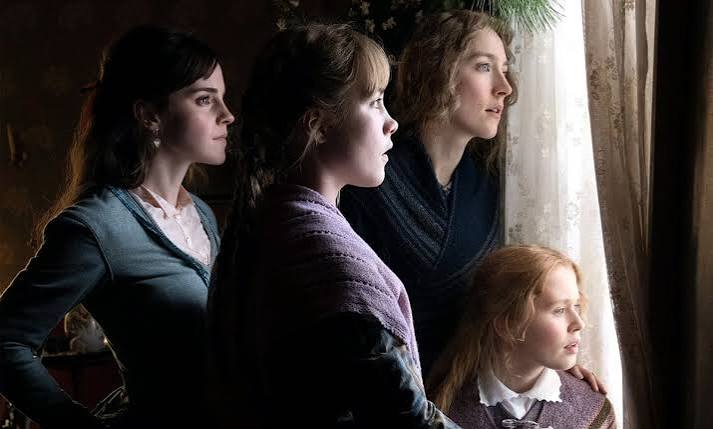
The non-linear narrative and use of colour are beautifully shown through Beth’s recovery in the past and her eventual death in her adulthood. These scenes are placed beside each other to heighten the emotional impact of the loss of a sibling. This also painfully reflects how grief may feel a lot of the time, as one second a loved one is right next to you and the next, they are gone. Of course Gerwig uses the colder colours for Beth’s passing to exhibit the loneliness and quietness when you experience grief which is then juxtaposed by the warm colours of her previous recovery which signifies hope and second chances. The cinematography in these scenes also show this difference as in the past there is a slow pan in to demonstrate a sense of crowdedness and life which is opposed by the slow pan out after her death to make the rest of the characters feel small and alone.
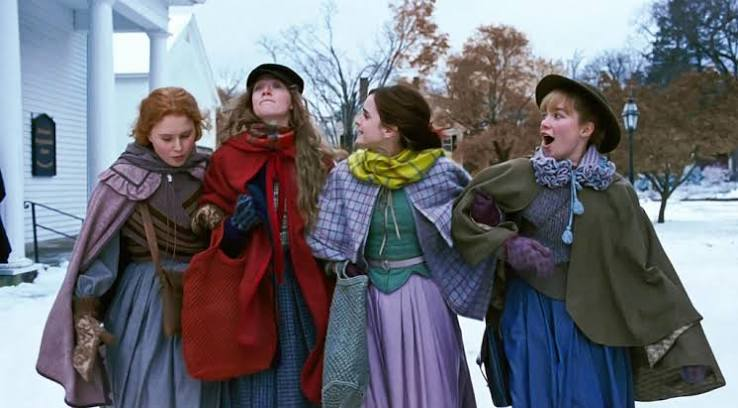
The cinematographer of the film, Yorick Le Saux, often uses these camera tricks to compare the impressionism of the past to the realism of the present. However, one constant throughout both the past and present scenes is that the whole movie is shot on 35mm which Le Saux explains was because Gerwig “wanted the audience to feel as if they were up close and intimately involved in the story.” This proved successful as audiences praise Gerwig for the film as it manages to encourage viewers to reflect on their own nostalgia whilst simultaneously drawing them into the lives of all four March sisters.
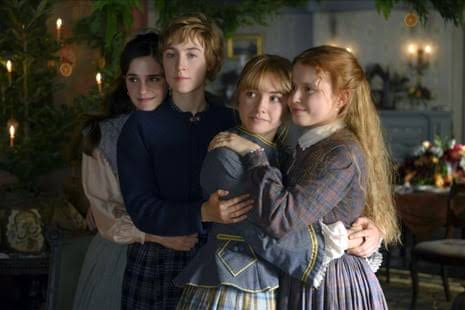
Of course, Saux ensures the contrasting nature of the film remains, as scenes set in the past use a dynamic camera to illuminate the sister’s young, moving lives yet also uses slow motion as if to replicate Jo’s desire to keep hold of these memories due to her fear of growing older. Furthermore, these scenes often include all the March sisters being together further indicating Jo’s fear of losing the bond between her family. In contrast, scenes of their adulthood use single, wide shots where most of the sisters are alone, reflecting the ultimate reality of the loneliness that comes with growing up. For example, when Jo rejects Laurie’s proposal she ends up alone with a large amount of negative space surrounding her, the scene is still and wide almost like a painting, which is used a fair few times throughout the film; illuminating her solitude and heartbreak.
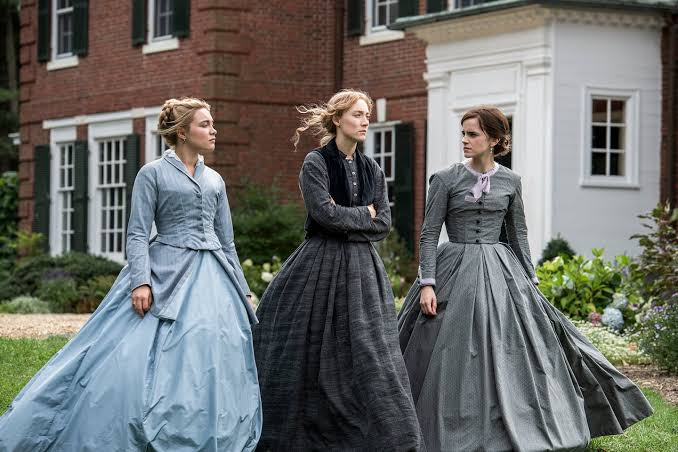
Jo and Laurie are significant in analysing the characters of the film as they are often seen as gendered counterparts of each other. The moment they first meet they both bond over their distaste for societal expectations placed upon themselves-this is further symbolised by their given names also being subtle hints of resistance towards gender normalities. As they grow up, Jo and Laurie develop an unspoken pact of refusing to accept the expectations placed upon them thus, Laurie’s future proposal to Jo can be seen as a betrayal of this pact in Jo’s eyes as she watches Laurie embrace the conventional expectations surrounding marriage which she has always openly been against. This proposal was also given a warm colour gradient to portray the final moments before Jo realises childhood is truly over.
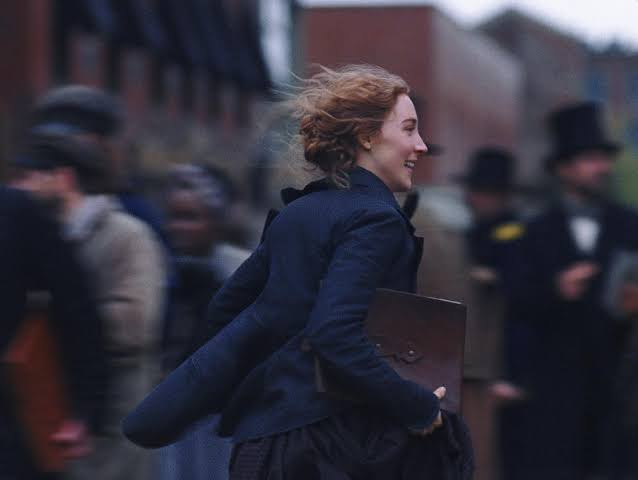
I cannot truly analyse this film without mentioning Jo’s classic foil, her own sister, Amy March. Both characters demonstrate the different paths women in the 1800s could take due to the ultimate decision they had to make. Amy tells Laurie: “she always knew she would marry rich”
Which deeply contrasts Jo who says to Laurie “I don’t think I will ever marry.” Whilst Amy recognises the financial security that marriage can offer women in a society that restricts their independence, Jo actively works against it which leads to Laurie marrying Amy instead further developing the difference between the sisters. Both characters embrace artistic pursuits to portray the struggles of artistic endeavors; however, they once again end up in different situations. Jo continues to chase her dreams and does end up publishing her book but Amy gives up on pursuing her art in the same way.
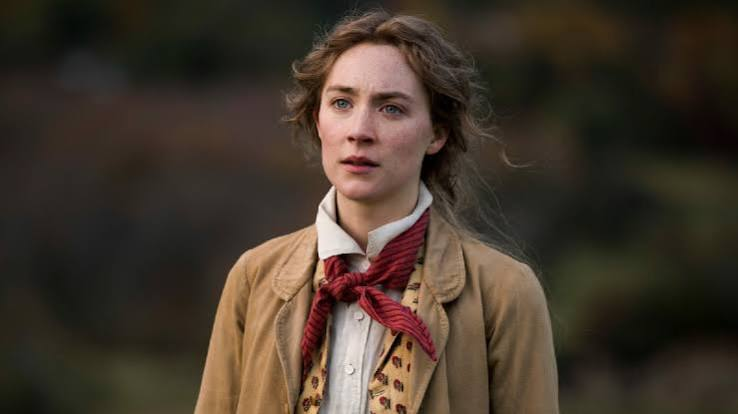
Whilst Jo and Amy represent opposing ideas on traditional womanhood, their sister, Meg March, offers a more nuanced perspective. Whilst Jo completely opposes marriage and high-end lifestyle and Amy accepts it out of expectation and societal pressure, Meg chooses the domestic life out of genuine love and enjoyment of femininity. Gerwig uses these sisters to show the spectrum of womanhood and to prove feminism is not rejecting femininity but getting the option to choose.
Ultimately, Little Women 2019 explores feminism,sisterhood,youth and adulthood in a universally relatable way, using colour and intimate cinematography to draw viewers into the lives of the four March sisters. Gerwig encourages viewers to look into their own lives and true desires leaving them with a feeling of hope and renewed self-awareness.