

Behind: Women In Music
Written by Casey Edwards

Women in Music has always been a hugely debated topic. I mean, women have always played a massive role in the music industry for many years. From singers and songwriters to producers and musicians, women have helped create some of the most memorable music in the world. However, women have not always received the same recognition, opportunities or respect as men in the industry. Over the years, female musicians have challenged stereotypes, broken barriers and inspired younger generations to follow their dreams. Today, women are becoming increasingly influential in music, proving that talent and creativity should never be limited by gender. In the past, the music industry was mostly controlled by men. Women often had fewer opportunities to perform, record music or become successful songwriters. Female artists were sometimes judged more on their appearances than their actual music talent. In certain genres, particularly rock and heavy metal, it was difficult for women to be taken seriously because these styles were traditionally dominated by men. Despite these challenges, many women refused to give up and worked hard on themselves. Their determination helped create more opportunities for the female artists we see today. As music developed throughout the twentieth century, women began to gain more recognition and opportunities. In genres such as jazz, blues and soul, female singers became extremely influential. Artists like Ella Fitzgerald, Billie Holiday and Aretha Franklin helped shape the sound of modern music. One of the most influential women in music was Aretha Franklin. Known as the “Queen Of Soul”, she became famous for her powerful voice and emotionally charged performances such as “Respect” which became important anthems for women’s rights and equality.
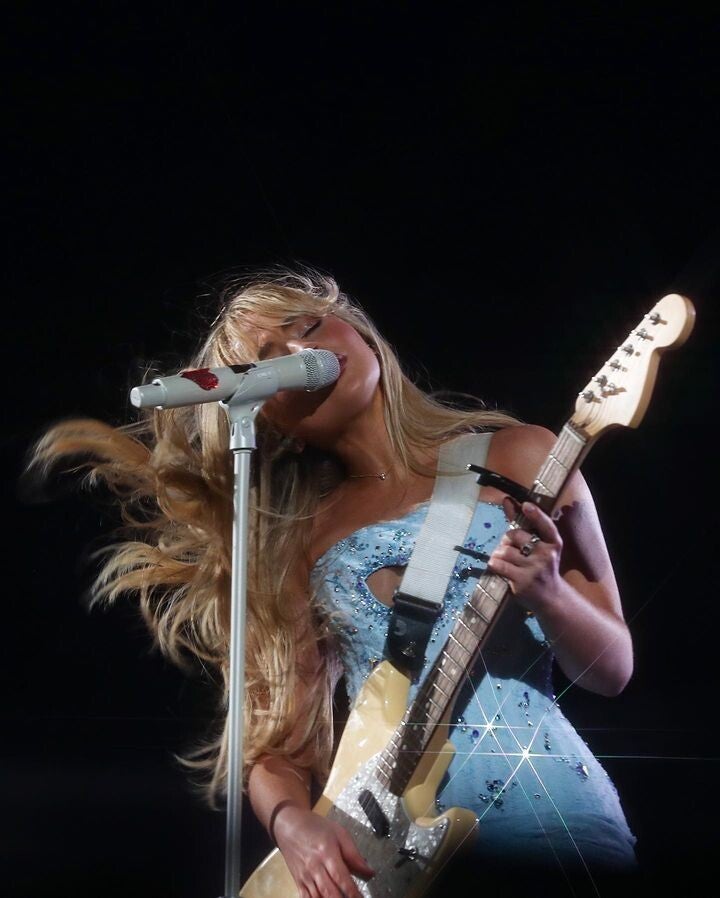
During the 1960s, 1970s and 1980s, more women began challenging traditional expectations within the music industry. Female artists started becoming more involved in writing their own songs, playing instruments and controlling their musical identities. Stevie Nicks (my personal favorite), Janis Joplin and Debbie Harry were important figures in rock music. They challenged the idea that rock music was mainly for men and demonstrated that women could be successful in a traditionally male dominated genre. Their confidence, creativity and individuality inspired many young girls to pursue their own musical ambitions.
In modern music, women have become some of the biggest and most influential artists in the world. Singers such as Beyoncé, Taylor Swift, Rihanna, Adele and Billie Eilish have achieved incredible success. Each artist has brought something different to the music industry. Beyoncé is known for her powerful performances and songs about confidence, independence and female empowerment. Taylor Swift has become one of the most successful songwriters of her generation, using personal experiences to create music that connects with millions of people. Rihanna has influenced pop music, fashion and business, while Adele is recognised for her emotional lyrics and powerful vocals. These women demonstrate the variety of talent and creativity that female musicians bring to the industry.
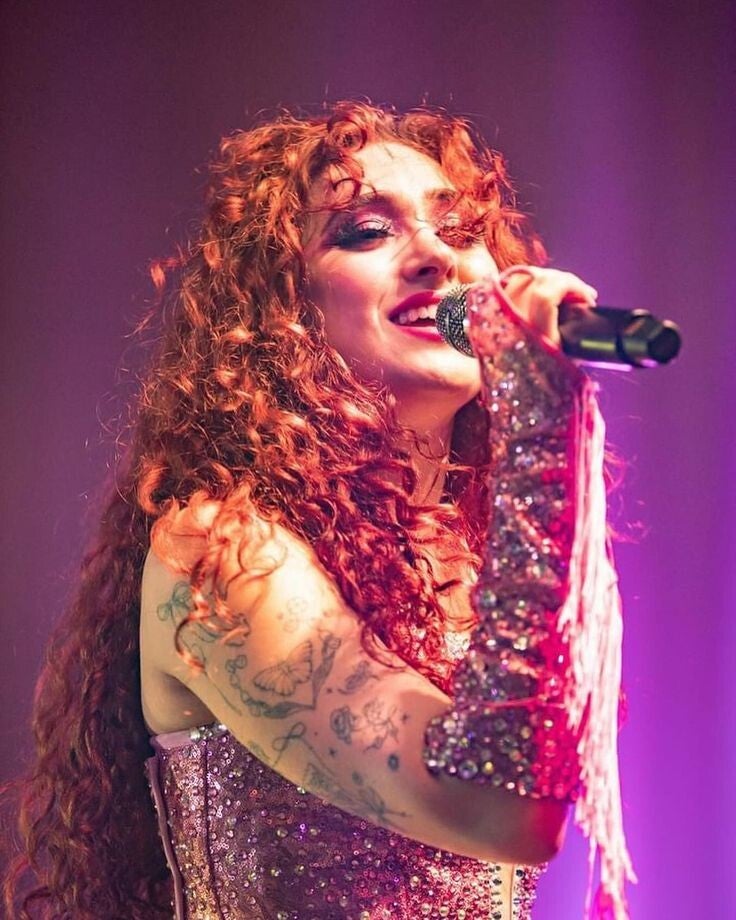
Ireland has also produced many talented and influential female musicians. Sinéad O'Connor was one of the most recognisable Irish singers and became famous internationally for her unique voice and emotional performances. Her music often explored difficult subjects, including love, religion, politics and personal struggles. Dolores O'Riordan, the lead singer of The Cranberries, also made a major contribution to Irish music. Her distinctive voice helped the band become internationally successful, with songs such as “Linger” and “When You’re Gone” becoming famous around the world. More recently, artists such as CMAT, Florence Road, and Nell Mescal have helped bring Irish music to new audiences. These musicians demonstrate the important role women have played in representing Ireland internationally.
Although women have achieved great success, gender inequality remains a problem in the music industry. Many areas, including music production, sound engineering and record company management are still dominated by men. Female musicians can also experience pressure regarding their appearance, age and personal lives. Women are sometimes judged more on how they look than on their actual musical talent. Male artists do not always face the same expectations. This creates additional challenges for women who want to be taken seriously as professional musicians.
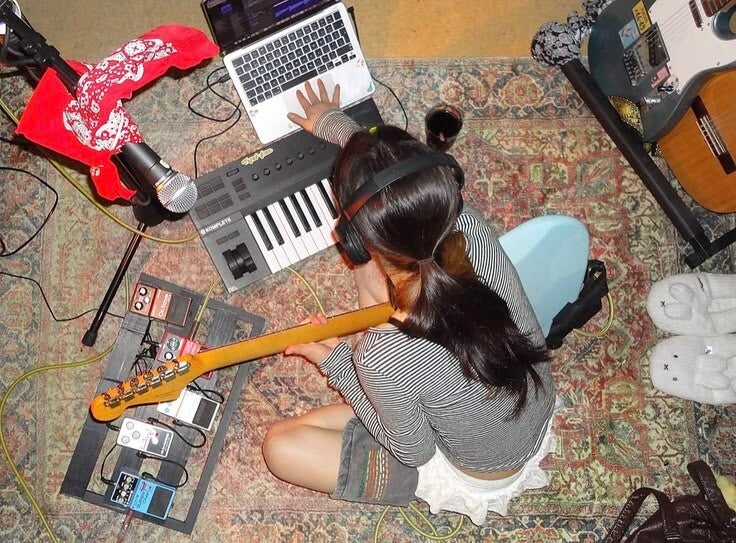
Another issue is the lack of equal representation at music festivals and award ceremonies. For many years, male artists have often received more opportunities to perform at major events and gain recognition for their work. Although this has improved, there is still progress to be made. It is important that music organisations give women equal opportunities and recognise their achievements across all areas of the industry. Having more female artists, producers and songwriters represented can encourage younger generations to believe that a career in music is possible for them.
Social media has also changed the way women can build careers in music. Platforms such as TikTok, Instagram and YouTube allow female artists to share their music, promote their work and connect directly with audiences. In the past, musicians often depended on record companies to become successful. Today, independent artists can build a following online without needing the same level of industry support. This has created more opportunities for women, particularly those who may not have been given a chance by traditional music companies. Social media also allows female musicians to speak about important issues such as sexism, discrimination, mental health and equality.
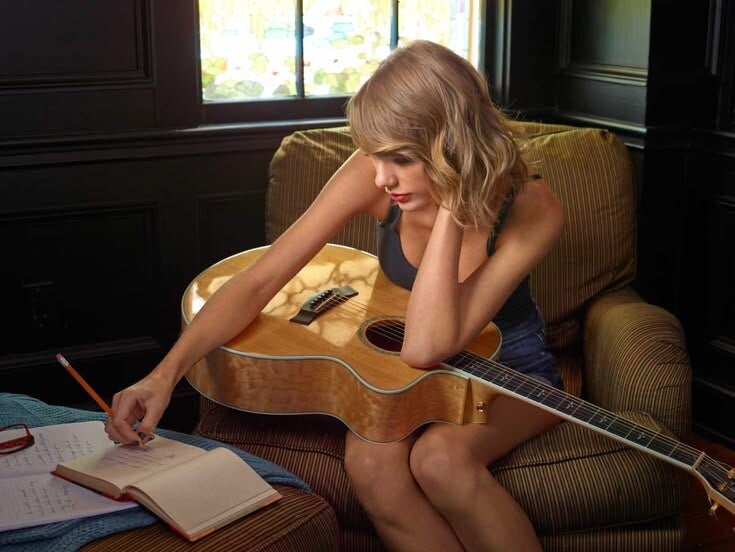
Women in music have also influenced society through their lyrics and messages. Many female artists use their music to discuss issues such as independence, relationships, identity, confidence and women's rights. Music can be a powerful way of expressing opinions and encouraging change. Songs about female empowerment can help listeners feel more confident and understood. Female musicians also act as role models for younger generations by showing that women can be independent, successful and ambitious. Their influence goes beyond entertainment because they help shape attitudes and encourage conversations about important social issues.
It is also important to recognise women who work behind the scenes in the music industry. Singers and performers often receive the most attention, but producers, songwriters, composers, managers and sound engineers are just as important. Women such as Missy Elliott and Linda Perry have made major contributions to songwriting and music production. Their work shows that women can succeed in every area of the industry, not just as performers. Encouraging more women to work behind the scenes will help create a more balanced and equal music industry.
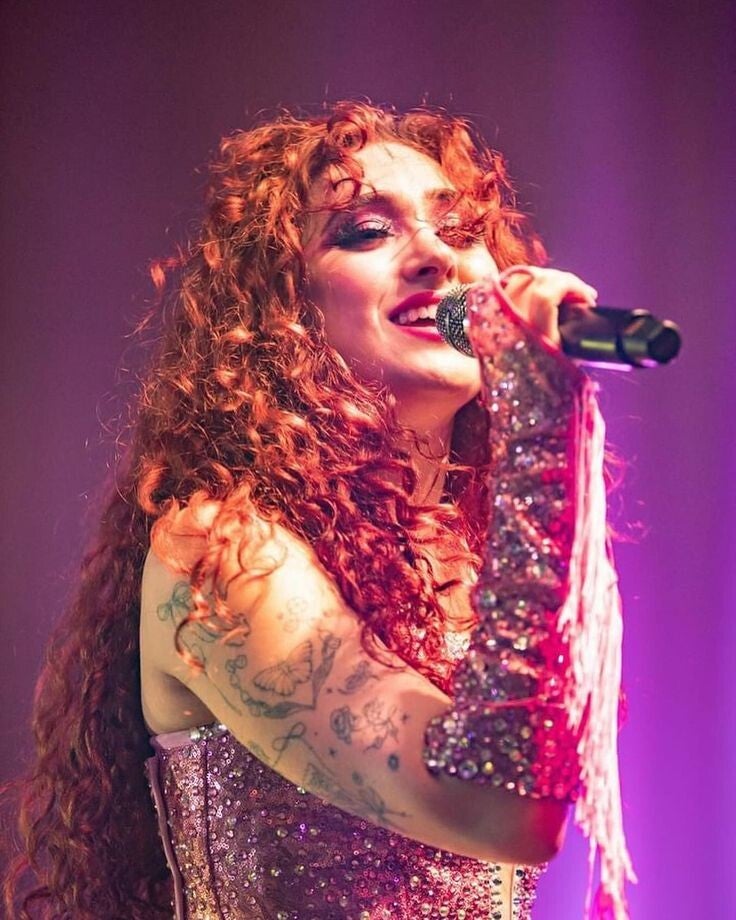
Overall, women have played an extremely important role in the development of music throughout history. From classical composers to modern pop stars, female musicians have continuously challenged expectations and changed the industry. Although women have faced discrimination and unequal opportunities, they have continued to prove their talent and influence. Artists such as Aretha Franklin, Beyoncé, Taylor Swift, Sinéad O'Connor and Dolores O'Riordan have inspired millions of people through their music. Their achievements demonstrate how important women are to the music industry. Moving forward, it is essential that women continue to receive equal opportunities, respect and recognition. Music should be an industry where everyone, regardless of gender, has the freedom to express themselves and achieve their dreams.