

Behind: THE ALBUM OF THE MONTH Dopamine Chamber by Fontaines D.C
Written by Taylor Walker

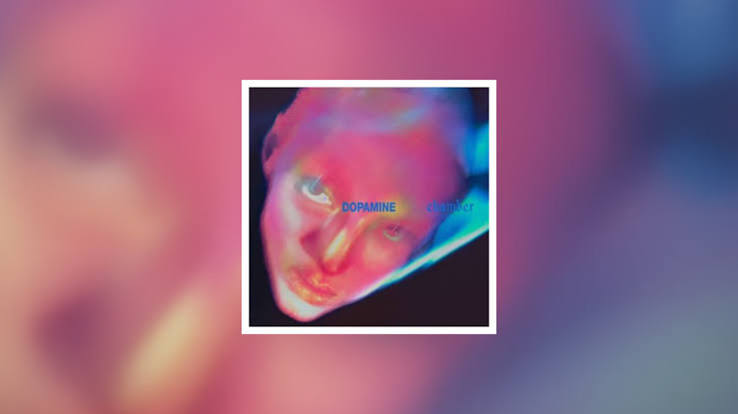
There is something incredibly exciting about watching a band evolve without ever losing the qualities that made you fall in love with their music in the first place. Fontaines D.C. have always been a band capable of making you feel something quite difficult to articulate, whether that is nostalgia for somewhere you have never lived, homesickness for a place you have left behind, or a strange sense of loneliness that you cannot quite put your finger on. However, with their fifth studio album, Dopamine Chamber, they have managed to take that feeling somewhere entirely different. Released on the 16th October 2026, the album feels like another significant turning point for the Dublin five-piece, building upon the expansive sound of Romance while bringing back some of the darkness and emotional unease that made Skinty Fia so special. It is an album that feels simultaneously beautiful, uncomfortable, cinematic and completely consuming.

What makes Dopamine Chamber particularly interesting is the way it explores the relationship between pleasure and misery. The title itself suggests a world in which people are constantly searching for their next source of happiness, whether through technology, relationships, entertainment or the endless distractions of modern life. However, rather than presenting happiness as something attainable, Fontaines seem more interested in questioning whether we have become so accustomed to chasing temporary moments of satisfaction that we have forgotten what genuine happiness actually feels like. There is a constant feeling of artificiality throughout the record, as though the world being described is slowly losing its humanity. Technology, isolation, environmental collapse and the overwhelming nature of modern society all sit beneath the surface. It is bleak, certainly, but it is also incredibly relevant.
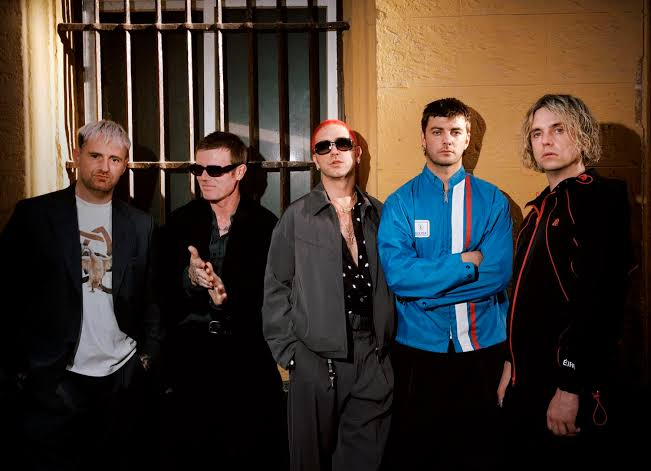
Musically, this is perhaps the most ambitious Fontaines D.C. have sounded. The guitars that once defined their earlier post-punk identity are no longer necessarily the centrepiece. Instead, synthesizers, electronic percussion, industrial textures and cinematic arrangements dominate much of the record. There is something almost dystopian about the production, with songs frequently feeling as though they are taking place in some beautifully constructed nightmare. James Ford's production allows the band to experiment with these different sounds without losing their identity. In fact, it feels like the natural continuation of what they began exploring on Romance, only with considerably less optimism.
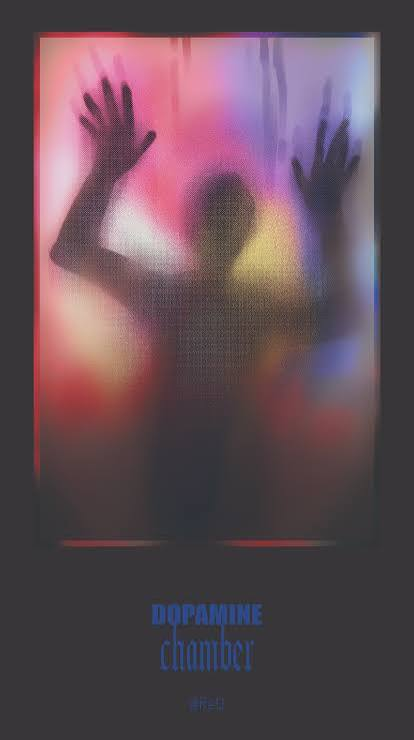
Opening with 'Six Shot Morning', the album immediately establishes its atmosphere. The industrial percussion, disorientating electronics and detached vocal delivery create a sense of unease that carries throughout the record. It is not necessarily an introduction that invites you into the album comfortably; rather, it throws you straight into the world Fontaines have created. There is something almost mechanical about the track, reflecting the album's wider concerns about technology and the increasing artificiality of everyday existence. It is a particularly interesting departure from the guitar-led beginnings of the band, and it makes one thing clear: Fontaines D.C. are not interested in repeating themselves.
'Marianne' is another standout, and arguably one of the best examples of the band's ability to combine enormous musical arrangements with an unsettling emotional atmosphere. The track feels almost cinematic, with its immense sound and hypnotic rhythm creating something that is simultaneously captivating and threatening. There is a strange beauty in the way Grian Chatten delivers his vocals, almost as though he is attempting to lure the listener into something they should probably be avoiding. It is this contrast between beauty and discomfort that makes the album so effective. You find yourself completely drawn towards something that feels fundamentally wrong, which is perhaps exactly the point.
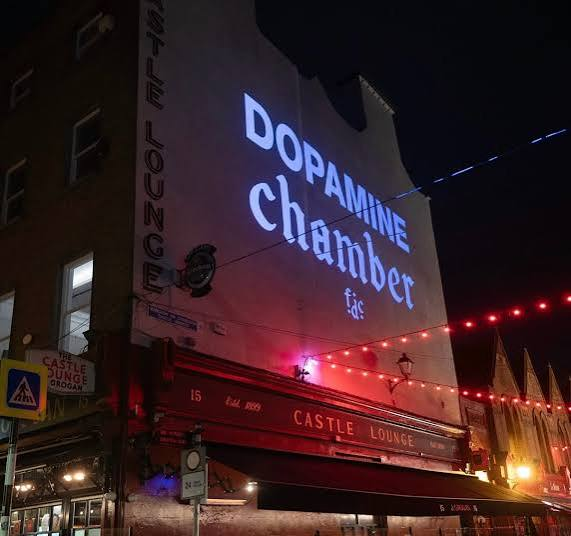
One of the things that makes Dopamine Chamber so compelling is that it never allows its darker themes to become musically one-dimensional. 'Mimesis' brings an infectious bass-driven energy, while 'Tongue' introduces a more aggressive, almost trip-hop-inspired sound. 'Demolition' feels particularly chaotic, allowing the band to embrace a much heavier and more abrasive approach. These tracks demonstrate just how comfortable Fontaines have become experimenting with their sound. They are no longer simply a post-punk band, nor are they trying to fit themselves into one particular genre. Instead, they seem interested in creating an atmosphere that serves the subject matter of each song.
However, what I find particularly important about this album is the way it makes room for tenderness amongst all the chaos. 'Happy For You', 'One Man' and 'Japan' provide moments of emotional vulnerability that prevent the record from becoming entirely consumed by its own darkness. 'One Man' is especially significant, feeling almost like the emotional centre of the album. Its more restrained atmosphere provides a moment to breathe, while still carrying the overwhelming sense of sadness that defines the record. 'Japan', meanwhile, demonstrates that Fontaines have not lost their ability to write beautiful, bittersweet songs about relationships and the complicated nature of human connection. The contrast between the softness of the music and the emotional uncertainty of the lyrics is particularly effective.

The collaboration with Rosalía on 'Where Is Gone?' is another fascinating moment. It is a beautifully theatrical track, with both artists contributing to an atmosphere that feels almost like the soundtrack to a doomed romance. Their voices complement one another wonderfully, and the orchestral arrangement gives the song an almost cinematic scale. It is not simply a collaboration included for the sake of having another artist on the record; it genuinely adds something to the album's emotional world.
When comparing Dopamine Chamber to Skinty Fia, I think the most interesting similarity is their shared sense of alienation. Released in 2022, Skinty Fia was an album deeply concerned with Irish identity, displacement and the experience of feeling disconnected from home. It carried a particular kind of darkness, one rooted in cultural identity, nostalgia and the uncomfortable feeling of being somewhere that never quite feels like yours. Songs such as 'I Love You', 'Roman Holiday' and 'In ár gCroíthe go deo' demonstrated how effectively Fontaines could transform personal experiences into something much larger. The album felt deeply Irish, but its emotions were universal.

Dopamine Chamber retains that sense of displacement, although its focus has shifted. Rather than exploring what it means to be separated from a particular place, it considers what happens when the world itself begins to feel unfamiliar. The alienation is no longer necessarily geographical; it is technological, emotional and societal. Where Skinty Fia often felt like an exploration of being unable to return home, Dopamine Chamber feels like questioning whether there is anywhere left that could truly feel like home. Both albums share an unmistakable melancholy, but the newer record expresses it through a much more synthetic and futuristic sound.
Then there is Romance, which I think is perhaps the most important comparison when understanding the direction Fontaines have taken. Romance was a significant departure from their earlier material, embracing a much bigger, more colourful and experimental sound. It was an album that felt cinematic and occasionally almost euphoric, with songs such as 'Starburster', 'Favourite', 'Desire' and 'In the Modern World' demonstrating a willingness to move beyond the band's original musical identity. There was still darkness underneath everything, but it was often accompanied by a sense of possibility. The album seemed interested in the idea of finding beauty and connection even when everything around you was falling apart.
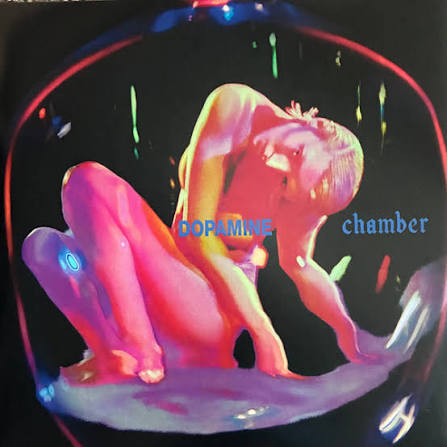
Dopamine Chamber takes that same fascination with beauty in the middle of disaster and makes it considerably more unsettling. If Romance was about protecting a small moment of love while the world was ending, Dopamine Chamber feels like questioning whether that moment of love can survive at all. The production is colder, the atmosphere more sinister and the emotional conclusions considerably less comforting. It feels as though the band have taken the world they created on Romance and gradually allowed the darkness to consume it.
I also think Grian Chatten deserves particular recognition on this album. His vocal delivery has become one of the band's most distinctive qualities, and here he uses it in increasingly interesting ways. He moves between detached spoken passages, hypnotic melodies, aggressive performances and moments of genuine vulnerability. His lyrics continue to demonstrate his ability to create vivid characters and unsettling little worlds without necessarily explaining everything to the listener. There is an almost theatrical quality to his writing, which works particularly well alongside the album's enormous production.
Ultimately, what makes Dopamine Chamber such a fascinating addition to Fontaines D.C.'s discography is that it does not attempt to recreate either of its predecessors. Instead, it takes the cultural and emotional unease of Skinty Fia, combines it with the sonic experimentation of Romance, and develops something that feels entirely its own. It is not necessarily the easiest Fontaines album to fall in love with immediately, but I think that is part of its appeal. It is the kind of record that reveals more of itself with every listen, allowing different details, arrangements and lyrical meanings to emerge over time.

For me, the progression from Skinty Fia to Romance to Dopamine Chamber represents a band becoming increasingly confident in their ability to experiment, challenge themselves and explore uncomfortable ideas. Each album captures a different kind of uncertainty, but they are all connected by the same underlying desire to understand the world and the people living in it.
There is something quite extraordinary about a band being able to make music that sounds this beautiful while having so little faith in the world it describes. Dopamine Chamber is unsettling, ambitious, occasionally devastating and, above all, incredibly absorbing. It might not offer the same immediate familiarity as Skinty Fia or the same colourful sense of discovery as Romance, but it offers something equally valuable: a glimpse into a band that refuses to stand still.
Fontaines D.C. have spent their career questioning identity, belonging, love and the places we search for meaning. With Dopamine Chamber, they seem to be asking a much more uncomfortable question: what happens when the things we use to escape reality become the very things that prevent us from experiencing it?
It is a question that lingers long after the final track ends, and perhaps that is the greatest achievement of the album. It doesn't necessarily make you feel better about the world, but it makes you feel something. And in a world increasingly obsessed with instant gratification, that feels like a rather important thing.